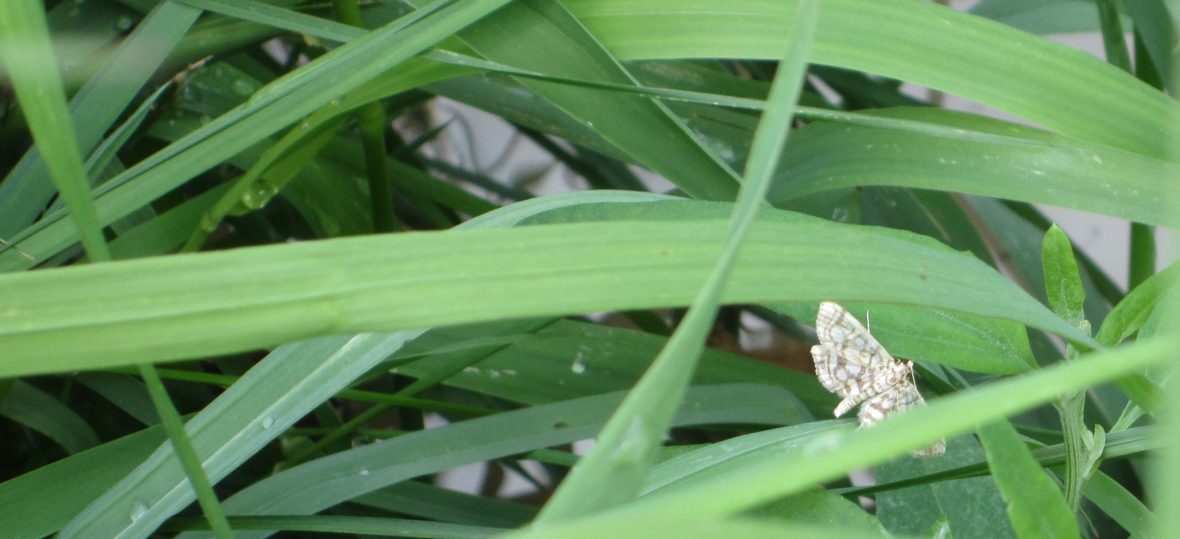
One of the largest issues of our time is feeding our expanding human population. Consequently, as demands on agriculture increases, so does the pollution of our natural environments. Farmers are pressured to intensify their agricultural operations or sell to larger companies – to increase production while making products cheaper. This results in large monocultures, crowded barns, and more chemical and nutrient use. This intensification leads to nutrient loss and consequently pollution. My research has centered on mitigating the loss of nutrients and preventing the pollution of natural water and air systems. Overall, in my research I put emphasis on creating solutions which are economically and practically achievable for farmers, while also protecting the environment.
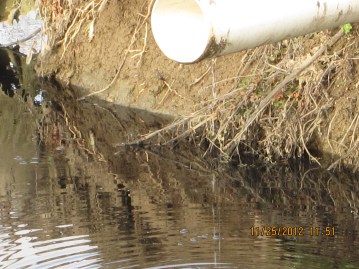
During my master’s research, I worked with potato farmers to treat wastewater produced from potato washing prior to shipment. This wastewater was treated with a land-based system prior to entering the natural water systems. After the completion of this project, for a short of time I took over the management of another project, which measured nitrogen loss from agricultural fields due to leaching and run-off.
With the start of my PhD studies, I switched focus to air quality. I started a new project at an established research site with meso-scale experimental manure tanks set up for measurement of greenhouse gas emissions. Currently I am in the third year of monitoring this site, where we are testing strategies for mitigating gas emissions. I am also in the process of setting up laboratory biomethane potential experiments, to do similar experiments but in a more controlled environment.
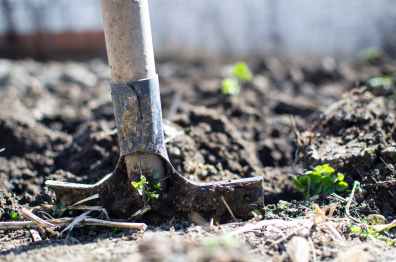
In the future, I would like to continue researching mitigation strategies to prevent water and air pollution from agricultural sources, as well as expand my research to agricultural soils. This research needs two approaches: one is to continue researching the known strategies believed to reduce pollution and create best management practices, and the second is to gain a greater understanding of the underlying processes causing the loss of nutrients, that will in turn inform new reduction strategies.
 Environmental Research - Vera Sokolov